News
Women as Agents of Peace and Post-Conflict Recovery

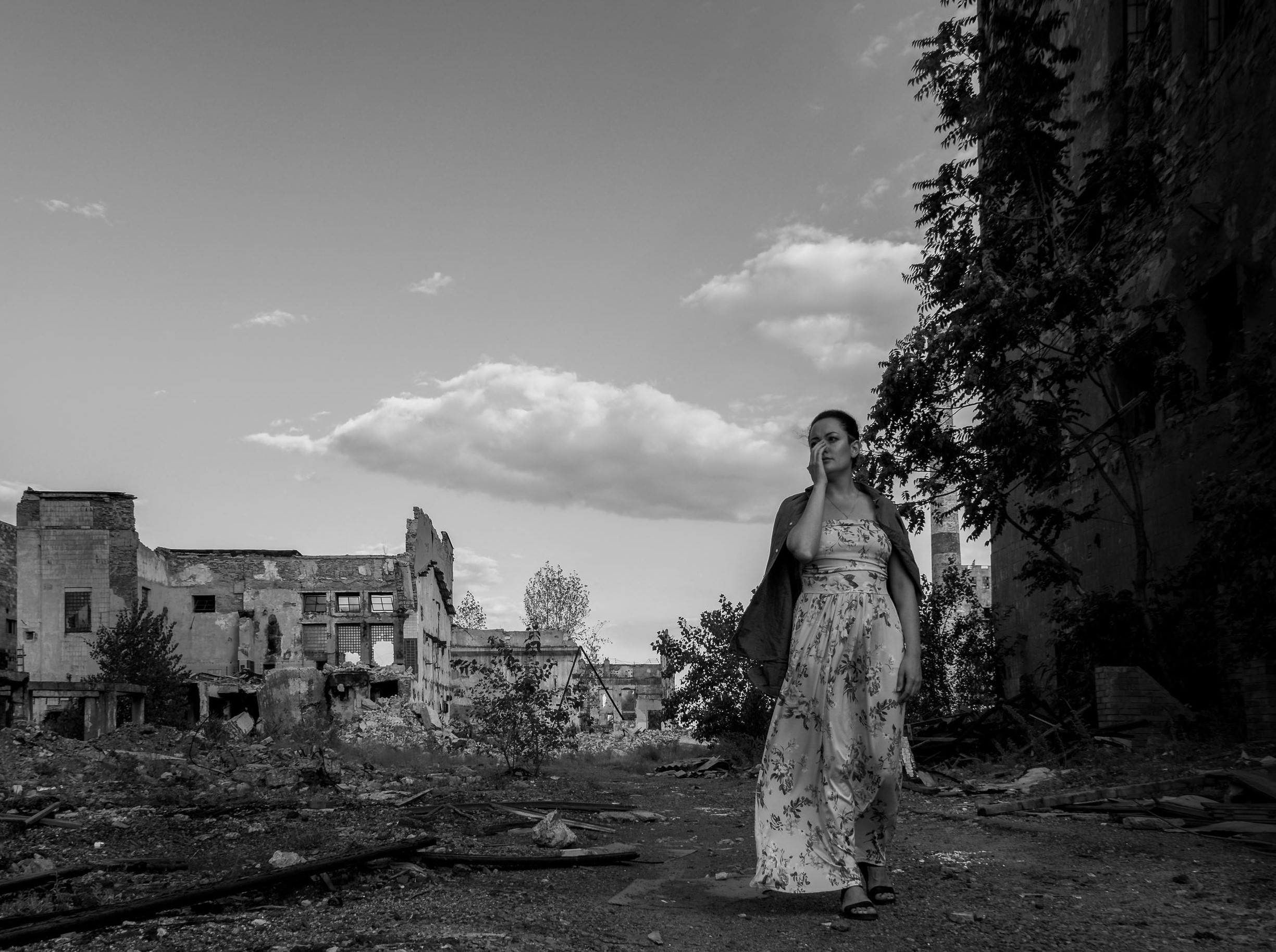
Across the world, women have long been silent victims of war, enduring violence, displacement and the loss of livelihoods. Yet beyond this suffering lies another truth: women are also powerful agents of peace and recovery. From grassroots mediation to national reconciliation, their participation is central to building lasting peace.
A woman’s experience of conflict often differs from that of men, as she bears the dual burden of survival and caregiving. This unique perspective enriches peace negotiations, humanitarian response and post-war rebuilding. According to the United Nations Department of Economic and Social Affairs (UN DESA), peace agreements that include women are 35 percent more likely to last at least 15 years. This finding underscores that women’s participation leads to more comprehensive and durable peace outcomes.
Beyond formal negotiations, women frequently act as community connectors and grassroots mediators. They leverage social networks to bridge divides across ethnic, political and regional lines. Their ability to foster dialogue and rebuild trust becomes invaluable in post-conflict reconciliation. A powerful example is the Liberian women’s peace movement of 2003, where women organized to end the Second Civil War, ultimately forcing warring parties to the negotiating table.
Women also play a critical role in recovery and social healing. They are often at the center of reconciliation and psychosocial support, placing emphasis on relational and restorative justice. Such approaches ease the reintegration of ex-combatants and help restore social trust. Rwanda provides a striking case. Following the genocide, the government adopted a new constitution in 2003 and launched inclusive policies that empowered women to assume unprecedented leadership roles. Which led to women holding over 50 percent of seats in Rwanda’s parliament, the highest representation globally.
The lessons are clear. To build sustainable peace, it is imperative to institutionalize women’s inclusion in every stage of the peace process. This requires gender-sensitive policies, investment in education and leadership training, and targeted programs to strengthen women’s political participation.
Women are not passive observers of conflict. They are central actors in shaping peace, recovery and long-term stability. Recognizing and institutionalizing their roles is not only a matter of equity, but also a strategic necessity for achieving comprehensive and enduring post-conflict transformation.